
A quick overview of the rules in force and to come on this issue
A ban on the systematic distribution of receipts is imminent. Are you a trader and are you wondering about the latest provisions applicable in this area?
Legal provisions and date of entry into force
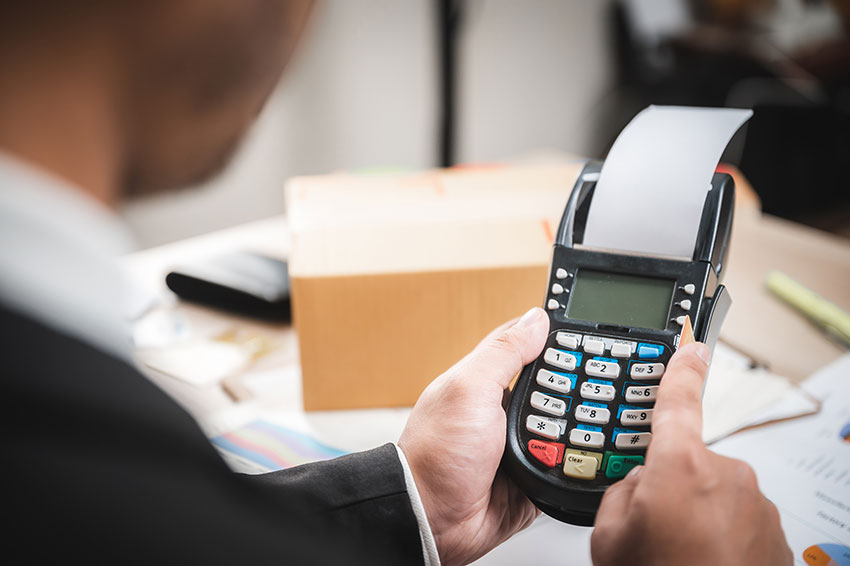
Article L. 541-15-10 of the Environmental Code, resulting from article 49 of the law of February 10, 2020 relating to the fight against waste and the circular economy, prohibits the systematic printing and distribution of receipts; ban which was initially scheduled to come into force from January 1, 2023.
In application of this text, the receipt will no longer be systematically printed. In fact, this can only be sent by email or any other electronic means to the customer, in the form of a dematerialized receipt, if they request it.
However, if the customer expressly requests it, the merchant cannot refuse the printing of his ticket, even if a digital ticket has been sent to him.
This measure is specified in its terms of application by Decree No. 2022-1565 of December 14, 2022, which postponed the entry into force of this deletion until December 1st April 2023.
Nevertheless, the government has announced its desire to once again postpone the application of this measure, to a date not yet revealed at the time of writing, August or even October would be considered.
Which tickets are affected?
Thus, the ban concerns:
- receipts in sales areas and establishments open to the public
- bank card receipts
- tickets issued by machines (such as ticket machines)
- vouchers and promotional or reduction tickets.
This decree specifies the cases for which the ban does not apply. It also sets out the terms by which consumers are informed of this printing ban, and above all, of the possibility granted to them to request a receipt.
Art. D. 541-371 of the Environmental Code thus provides that
« […].-Are not affected by the prohibitions provided for in IV of Article L. 541-15-10:
- “1° Cash receipts or other billing documents given to consumers on which the existence and duration of the legal guarantee of conformity are mentioned pursuant to article D. 211-7 of the Consumer Code;
- “2° Cash receipts or other invoicing documents, printed by non-automatic weighing instruments alone or connected to a point-of-sale terminal regulated by Decree No. 2001-387 of May 3, 2001 relating to the control of measuring instruments, or delivered to consumers in accordance with the regulatory provisions taken for the application of Article L. 112-1 of the Consumer Code;
- “3° The bank card payment transactions canceled, which have not been successful, or are subject to a pre-authorization regime or are the subject of a credit, which give rise, for security reasons, to the printing of a ticket given to the consumer;
- “4° The tickets delivered by machines whose retention and presentation are necessary to benefit from a product or service and allow, where applicable, the calculation of the amount due in return. »
What solutions to adopt?
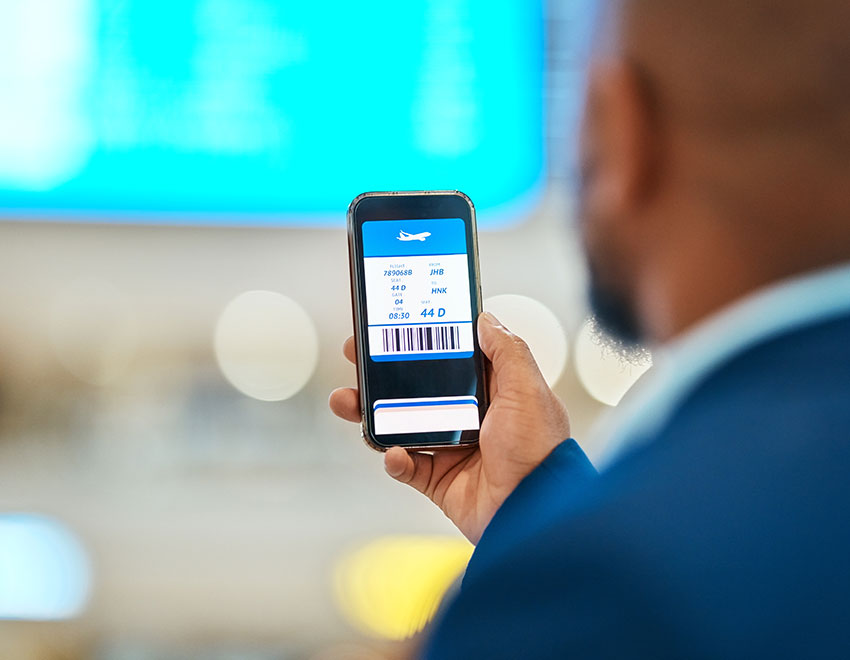
Several solutions can replace the traditional paper receipt.
Thus, sending an e-ticket is possible:
- by SMS via cash register software
- by email via cash register software
- by message directly in the buyer’s banking application
- by QR code to retrieve your e-ticket from a web page
- via storage on a loyalty account accessible on the internet.
Please note, certain solutions may involve the collection and processing of the customer’s personal data, such as their contact details. In this case, it will be necessary to ensure that these solutions meet the obligations regarding the protection of personal data and the now well-known GDPR (EU Regulation 2016/679 of the European Parliament and of the Council of April 27, 2016).
The objective of this provision is, on the one hand, to respond to the objectives of the ecological transition policy, which involves fighting against waste and unnecessary production of waste and on the other hand, to respond to the requirement to maintain a high level of consumer protection, which requires ensuring adequate traceability of transactions. This legislative novelty precedes the reform of the electronic invoice between companies, for companies subject to VAT, applicable from July 2024.
The LEGALPROTECH AVOCATS firm can assist you with the legal and regulatory compliance of the solution you choose to implement.
by Samuel DÉNIN
Article published on March 29, 2023. Its content reflects the context of its publication.
A question about your situation? Contact the firm ↗